


Every year on the 15th of July, the international community marks World Youth Skills Day, an important occasion that highlights the role of skills development in supporting young people as they transition into employment, entrepreneurship and lifelong learning.
Established by the United Nations in 2014, World Youth Skills Day provides a global platform to raise awareness of the importance of equipping young people with the knowledge, skills and competences needed to navigate an increasingly complex and evolving labour market. This year’s theme, “Skills for a shared future”, reflects the growing need to prepare young people for a world shaped by digital transformation, technological advancement and the green transition.
As labour markets continue to evolve, so too does our understanding of where and how learning takes place. While formal education remains central to qualification attainment, increasing attention is being given to learning that happens outside traditional educational settings.
This brings into focus the value of non-formal and informal learning.
Learning beyond the classroom
Young people develop a wide range of competences through experiences that do not always lead to formal certification. Non-formal learning typically occurs in organised settings outside formal education, such as training workshops, youth programmes, or structured volunteering. By contrast, informal learning arises from everyday experiences and practical engagement.
Both types of learning play a crucial role in fostering key skills like teamwork, communication, leadership, problem-solving, and adaptability. However, despite their value, these skills often go unrecognised within traditional education and employment systems.
This can pose a particular challenge for young people entering the labour market, where formal qualifications remain the primary reference point for employers.
The importance of recognition
Recognising skills acquired outside formal education has become an increasingly important policy priority at both national and European level.
Recognition of Prior Learning (RPL) enables individuals to have their knowledge, skills and competences assessed and validated against established standards, regardless of where or how that learning took place. This approach reflects the broader philosophy of learning outcomes that underpins qualifications frameworks.
Rather than focusing solely on the duration or type of learning, the emphasis is on what an individual knows, understands, and can do. This is especially important for young people, as it offers a chance to highlight skills gained through non-formal and informal experiences that might otherwise remain unacknowledged. This can support access to employment, progression to further education and training, and wider lifelong learning opportunities.
Malta: Marking an important step towards recognition of RPL
The first step towards strengthening Recognition of Prior Learning in Malta was taken on 8 July 2026, when MFHEA hosted the inaugural meeting to establish a local RPL Network.
The meeting brought together thirteen service providers to explore how the network should be structured, its main objectives, and how organisations can work together to support learners. Participants discussed practical matters such as statutes, agendas, and future collaborative activities and agreed on the need for case studies and surveys to better understand the challenges associated with RPL.
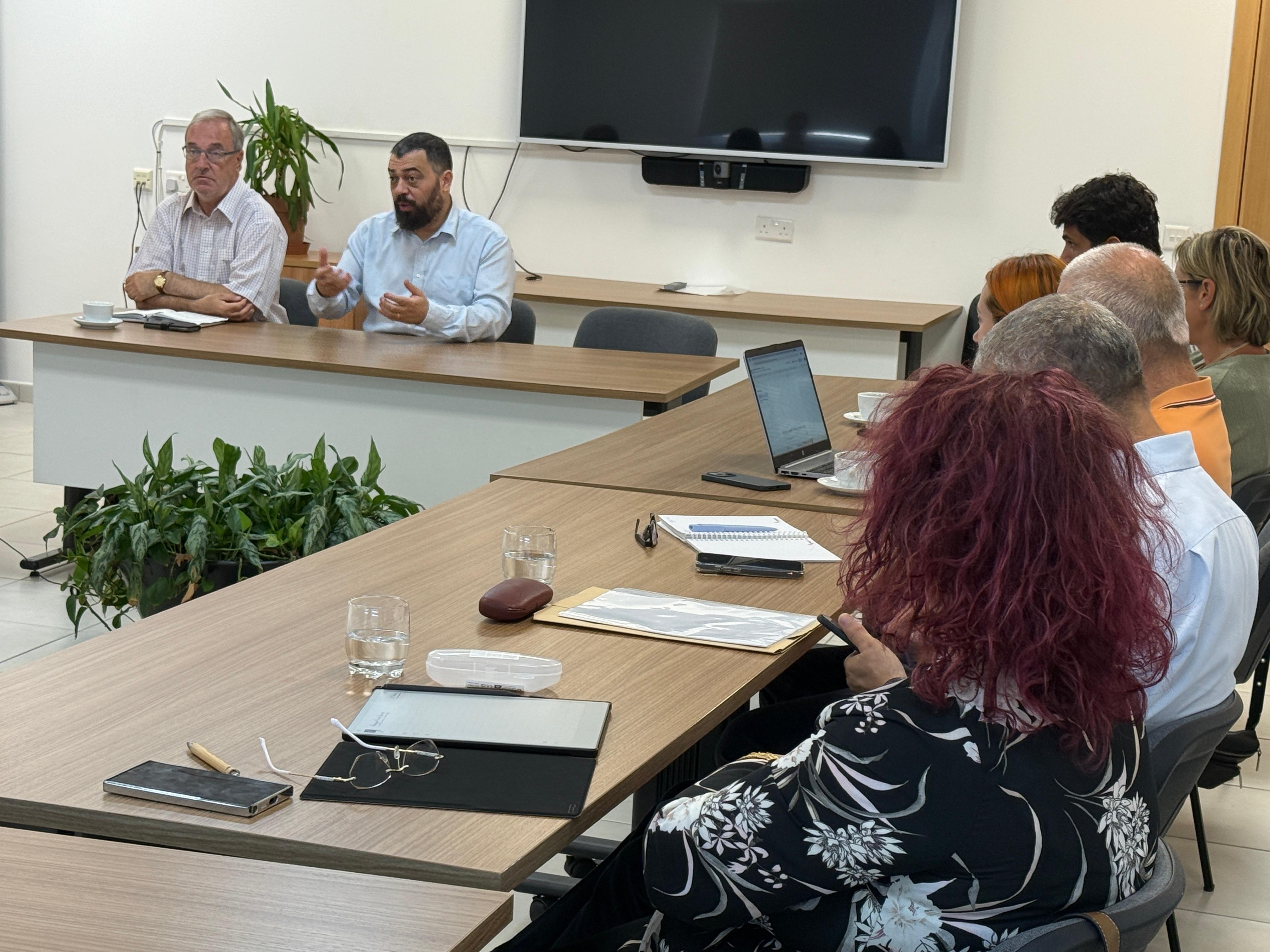
These activities will help gather evidence and insights to finalise a survey by the end of September 2026. The RPL Network is expected to be officially launched at the beginning of the next scholastic year, supported by ongoing communication through a dedicated Teams chat group and an initial three-month action plan to guide its early work.
The role of the MQF and EQF
The Malta Qualifications Framework (MQF) and the European Qualifications Framework (EQF) play an important role in supporting progression and recognition of qualifications. The MQF provides a national framework for classifying qualifications based on learning outcomes and level descriptors while being referenced to the EQF. This referencing strengthens the transparency, comparability and recognition of qualifications in Malta and across Europe.
Importantly, the learning outcomes approach embedded in these frameworks also creates space to recognise competences acquired through non‑formal and informal learning. This means that skills developed outside formal education can be assessed against established standards and, where appropriate, validated as part of flexible learning and progression pathways.
For young people, this offers greater flexibility in how they build and demonstrate their competences, supporting both educational mobility and labour market integration. It also reinforces the broader principle that learning is lifelong and not confined to formal settings.
Q&A: Why does this matter?
What does “skills for a shared future” mean?
It highlights the need for young people to develop skills that support not only employability but also active participation in society and sustainable development.
Why is non-formal and informal learning important?
Because many young people acquire valuable competences outside formal education that can directly contribute to their personal and professional development.
Can these skills be recognised?
Yes. Through Recognition of Prior Learning and learning outcome-based frameworks such as the MQF and EQF, these competencies can be assessed and validated.
Why does this matter for young people entering the labour market?
It helps make their skills more visible, improves employability, and creates alternative pathways into education and training.
Looking ahead
World Youth Skills Day 2026 is a good reminder that skills development must be inclusive, flexible and responsive to the realities of modern life. As learning increasingly takes place across diverse environments, it is essential that qualification systems continue to evolve to reflect the full breadth of young people’s competences. At MFHEA, we believe that strengthening the validation of non-formal and informal learning promotes greater inclusivity, supports labour market participation, and promotes lifelong learning.
On this World Youth Skills Day, we celebrate the importance of recognising all types of learning as essential for creating a shared future where young people can contribute, grow, and succeed.
If you want to learn more about RPL, visit: https://mfhea.mt/recognition-of-prior-learning/