

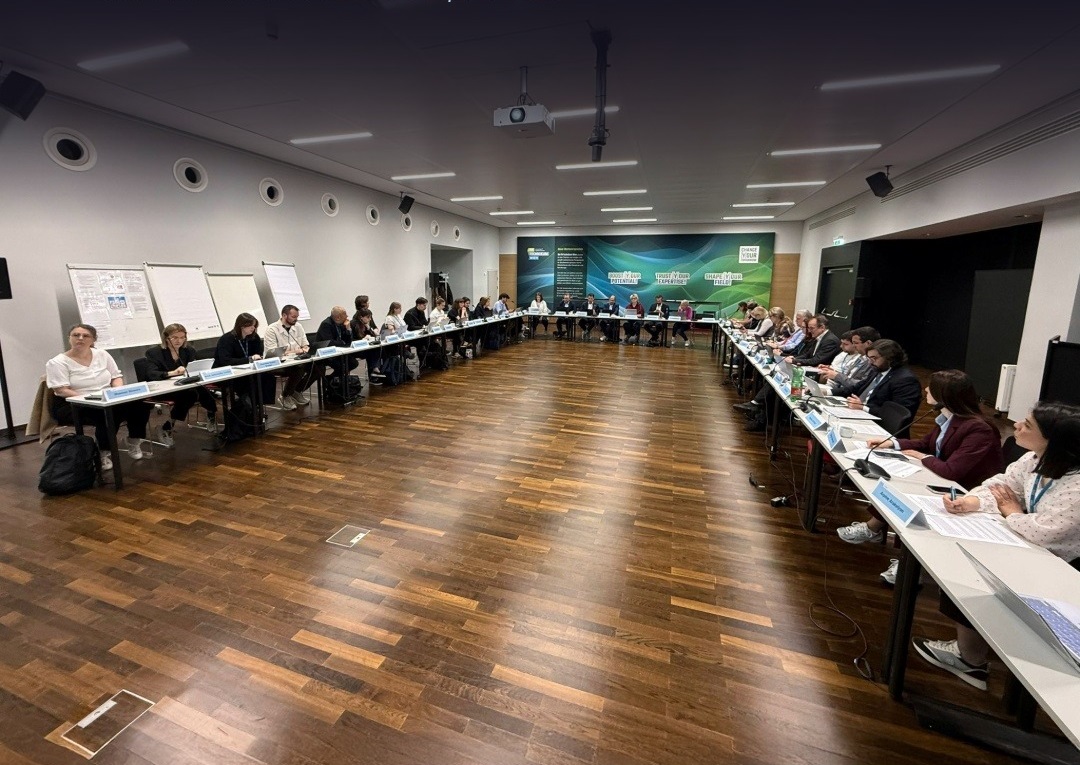
This Spring, Vienna became the meeting point for some of Europe’s most topical conversations on higher education internationalisation, and Malta had a seat at the table. Representing the Malta Further and Higher Education Authority (MFHEA), Mr Philip Vella, Head of Mutual Recognition and EU Affairs, took part in two European gatherings dedicated to shaping the future of student and staff mobility across the continent.
Vienna’s Peer Learning Activity: Rethinking Internationalisation
The first event was the International Peer Learning Activity titled “Comprehensive Policy for Comprehensive Internationalisation.” Mr. Vella collaborated with European higher education stakeholders, policymakers, and various university representatives in discussions covering student and staff mobility, inclusive internationalisation strategies, balanced mobility, talent retention, and ongoing issues like brain drain and access for disadvantaged students. A key moment was analyzing Austria’s Higher Education Mobility and Internationalisation Strategy 2030, which promotes digital mobility, institutional learning, and a global outlook — serving as an effective case study on implementing and tracking national strategies. Delegates also emphasized inclusion, focusing on the financial, social, and practical barriers faced by students with disabilities and those from low-income backgrounds.
The Bologna Process in Focus: BFUG Tackles Mobility’s Toughest Questions
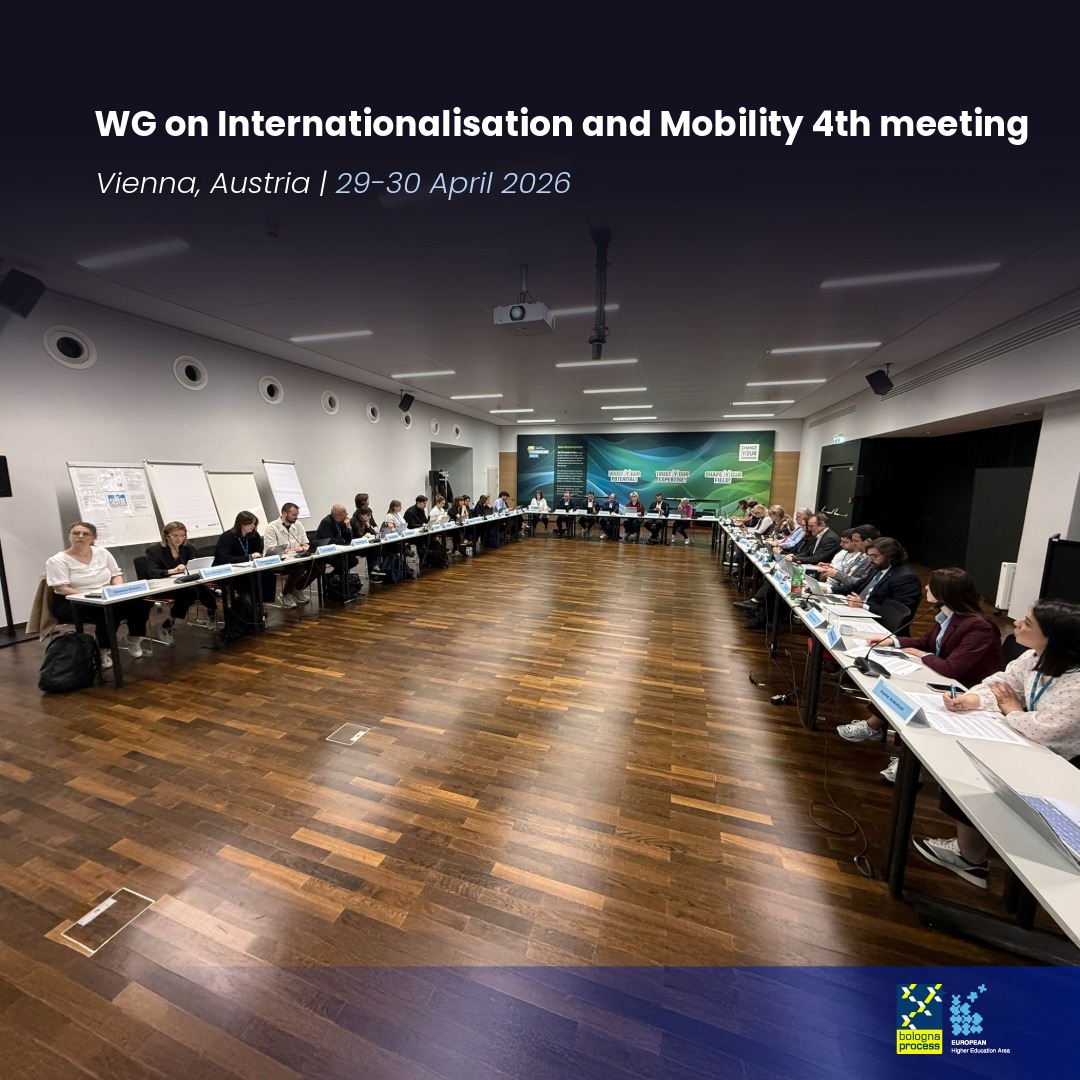
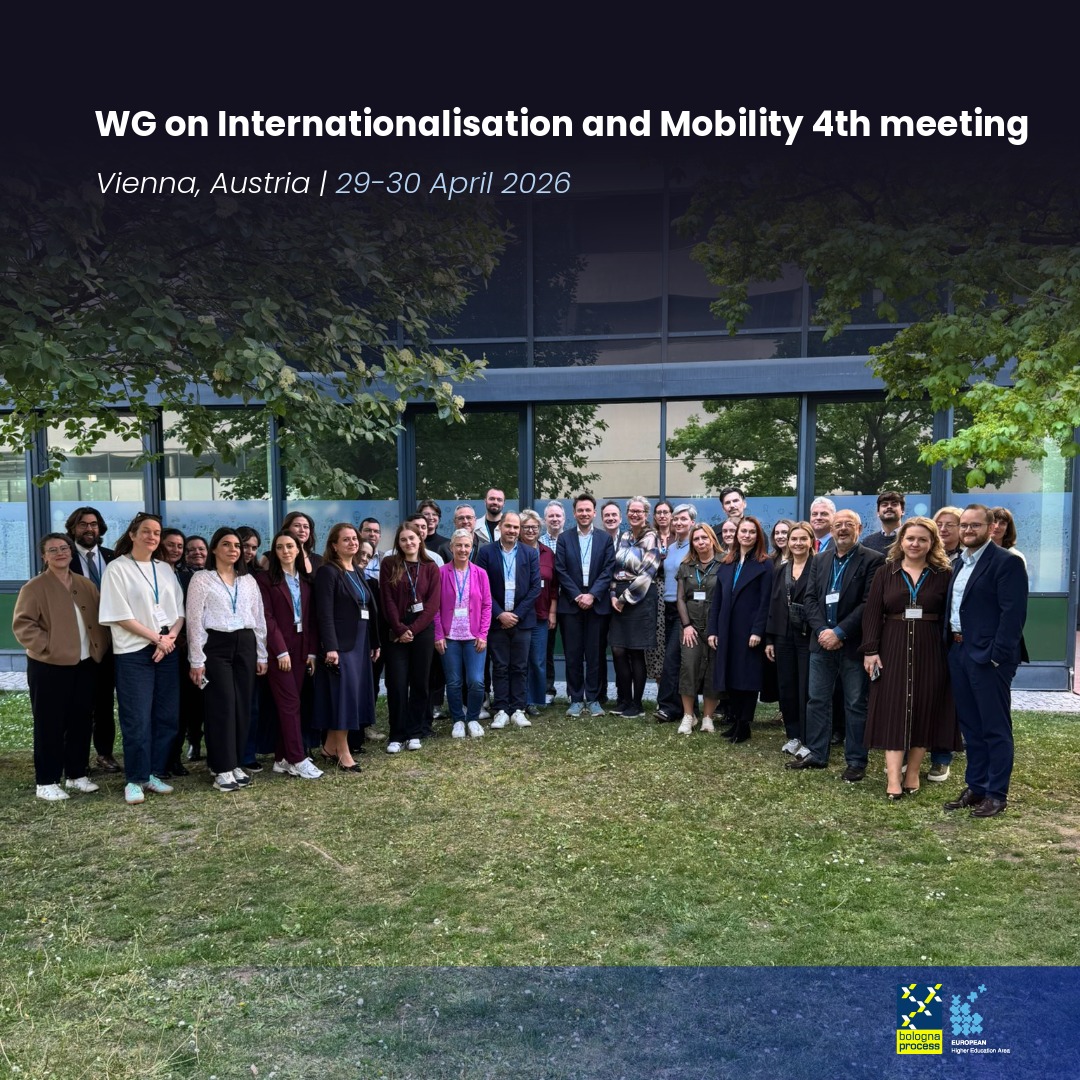
The following two days saw Mr Vella representing Malta at the 4th Meeting of the Bologna Follow-Up Group (BFUG) Working Group on Internationalisation and Mobility. Bringing together voices from across the European Higher Education Area, the meeting addressed some of the sector’s most consequential open questions: whether the long-standing 20% mobility benchmark under the Bologna Process should be revised; how to develop recommendations for balanced and sustainable mobility; and how internationalisation can extend beyond physical movement to include intercultural competences and “internationalisation at home.” Delegates also confronted the practical realities that continue to hinder mobility (visa procedures, housing accessibility, financial portability, automatic recognition of qualifications, and digitalisation), alongside broader geopolitical developments and the need to safeguard fundamental values within higher education systems. Thematic workshops gave participants space to exchange good practices and workshop solutions on issues ranging from visa fraud prevention to support services for underrepresented groups.
Taken together, the two Vienna meetings underline a simple truth: building a genuinely inclusive and mobile European Higher Education Area requires sustained, hands-on dialogue between countries, not just shared policy documents. MFHEA’s participation reflects its ongoing commitment to international cooperation, quality enhancement, and inclusive mobility within Malta’s further and higher education sectors.
The conversation will continue in December 2026, when the next BFUG Working Group meeting convenes in Prague, and Malta will be there once again, contributingto shape what comes next.